Common ground is a starting point, not a surrender
Cooperation begins with a shared problem. It does not require identical beliefs.
Read the guide ↗A thoughtful place in a divided world
We do not have to agree on everything to understand one another—or work together on something that matters.

Begin with understanding
Cooperation begins with a shared problem. It does not require identical beliefs.
Read the guide ↗A useful reply begins with an accurate account of the other person’s point.
Read the guide ↗Working across parties and refusing party allegiance are related, but distinct.
Read the guide ↗Our point of view
Common ground is not a demand to abandon your values. It is a place to examine evidence, understand differences and explore what people can accomplish together.
Read our editorial commitment ↗Explain a viewpoint fairly before making the case against it.
Ask the same questions of every proposal, including the one you prefer.
Republicans, Democrats, independents and other perspectives belong in the conversation.
Cross-party support does not remove the need to examine outcomes and costs.
At the same table
Before a debate becomes a contest over who is right, find out what each person is trying to protect or improve.
Read the conversation guide ↗Explore the publication
Original guides for thoughtful readers, community conversations and future podcast discussions.
Shared goals, honest differences and practical cooperation.
Explore this collection ↗6 guidesWays to listen, ask better questions and disagree with care.
Explore this collection ↗6 guidesUnderstand the institutions before evaluating the promise.
Explore this collection ↗2 guidesExamine the achievements, conflicts and costs in the record.
Explore this collection ↗6 guidesUseful steps for taking part in civic life.
Explore this collection ↗2 guidesHabits for examining claims, sources and uncertainty.
Explore this collection ↗From understanding to participation
Practical, nonpartisan ways to take part—online, in your community and through official channels.
Start with ElectoralVote.com, then confirm current requirements with your official election office.
Visit ElectoralVote.com ↗Find the federal, state or local official connected to the issue you want to discuss.
Find your officials ↗Locate your local government and check its public meeting agendas and participation instructions.
Find local government ↗Use the official docket, read the notice and check the deadline and privacy information.
Explore public comments ↗Use a clear question and equal speaking time to understand a different perspective.
Read the discussion guide ↗Suggest a constructive question, explain an experience or propose a topic for a future podcast.
Contribute an idea ↗Lessons from the record
Study how agreements happened, and whose experiences must remain part of the account.
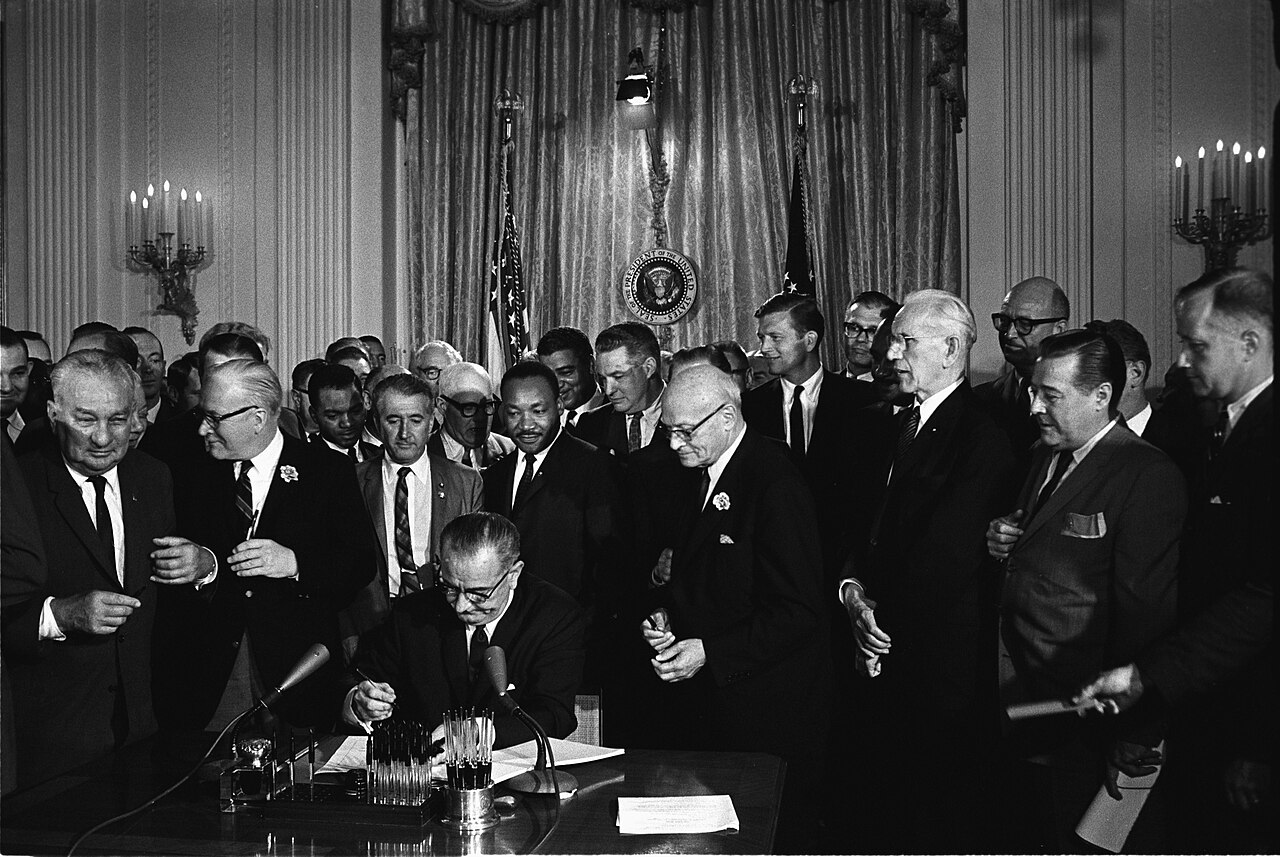
A historical case of cross-party work amid deep conflict.
Read the guide ↗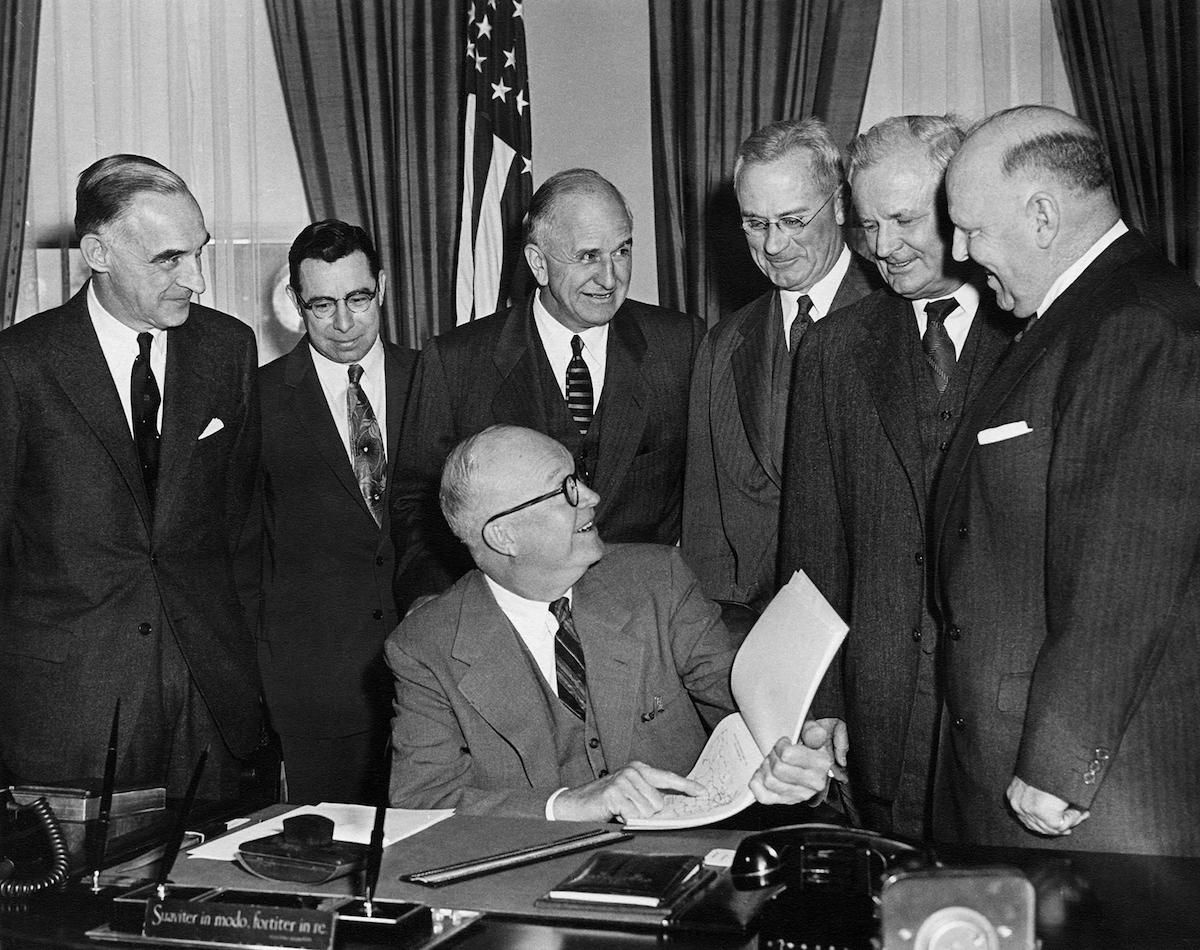
The 1956 highway law also involved competing financing plans.
Read the guide ↗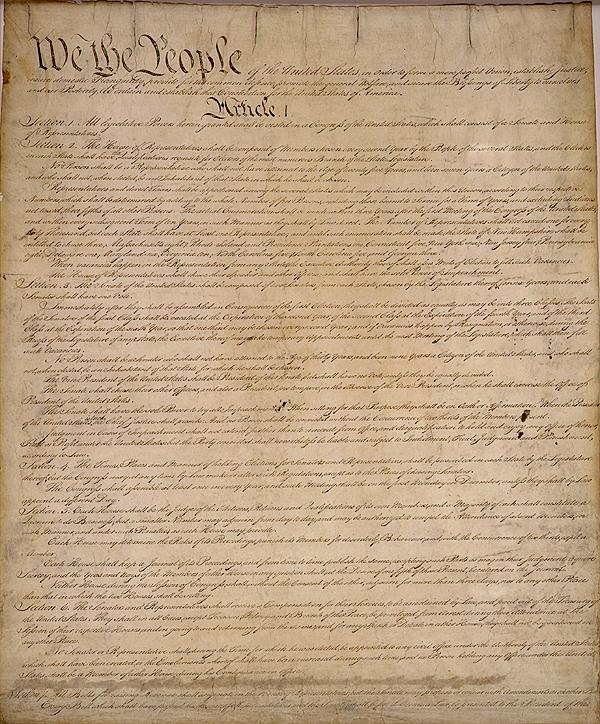
Read the original texts before relying on a quotation online.
Read the guide ↗The Bipartisan Politics Podcast
The conversation can grow
A podcast is part of our long-term vision: thoughtful guests, honest differences and questions worth exploring. Episodes, guests and a launch date have not yet been announced.
Your perspective matters
Help us identify issues worth examining and conversations worth having.
Share your perspective ↗Thoughtful contributions welcome. Personal attacks and unsupported accusations are not.
Email submissions are reviewed privately. Nothing is posted automatically, and we seek permission before publishing reader contributions.
Read our submission approach ↗